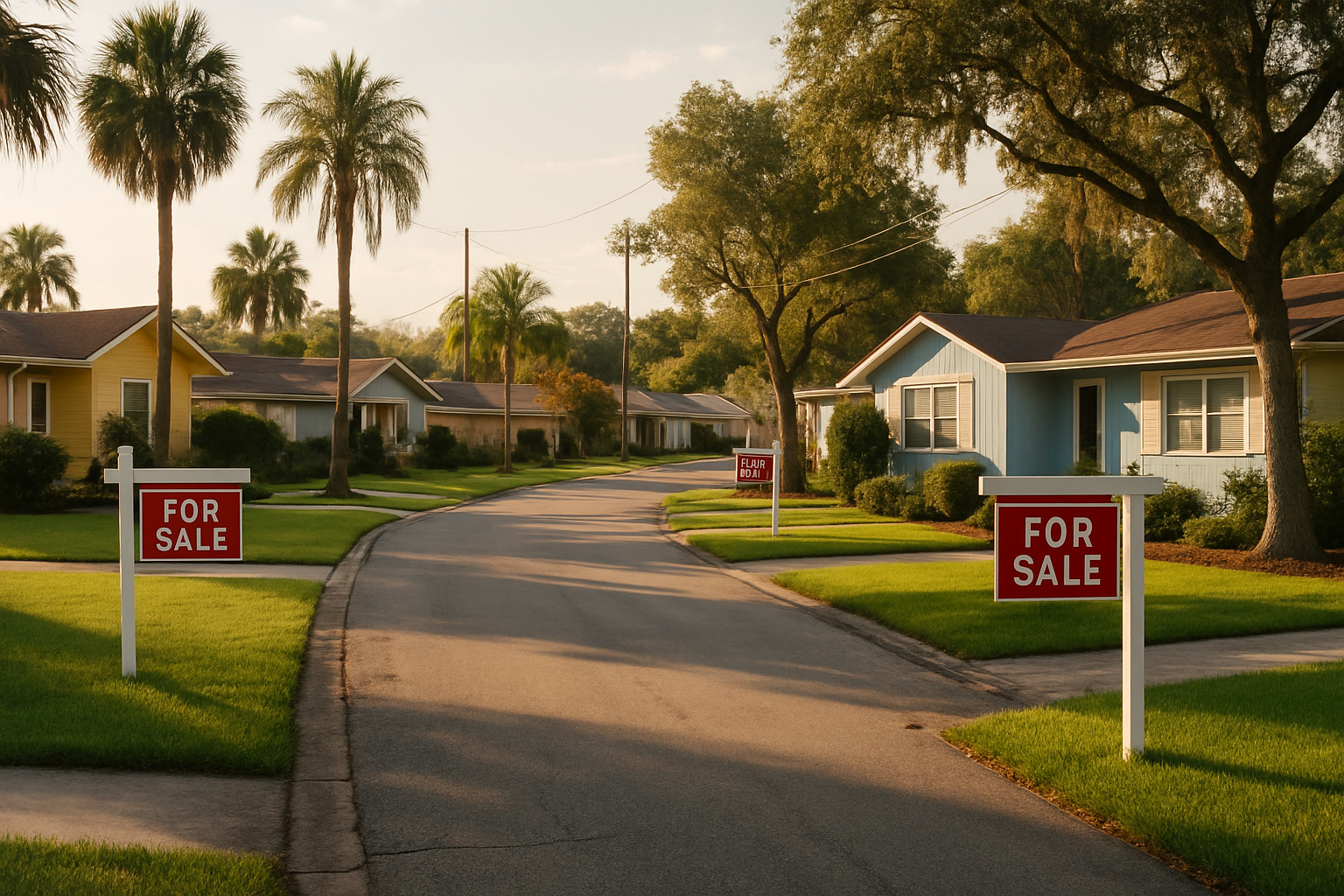
How Fed Rate Hikes Freeze Florida's Housing Market
Market Trends · September 17, 2026 · by MC Homes Realty Inc

The Federal Reserve's recent rate hikes have sent ripples through the national housing market, and Florida is no exception. As the Fed continues its efforts to curb inflation, the rise in interest rates has brought significant changes, particularly affecting homebuyers, sellers, and homeowners in the Sunshine State.
Understanding the Fed Rate Hike's Impact
The Federal Reserve uses interest rate hikes as a tool to manage economic stability. By increasing rates, borrowing costs rise, which can dampen consumer spending and investment in the housing market. In Florida, where the real estate market often experiences more volatility due to its popularity among retirees and second-home buyers, the effects are pronounced.
Why the Housing Market is 'Frozen'
The term 'frozen' refers to the slowdown in housing transactions. With higher interest rates, potential buyers may delay purchasing plans due to increased mortgage costs. This pause in buyer activity can lead to a decrease in overall market momentum.
Buyers Hesitate
As mortgage rates climb, affordability becomes a key concern. Homebuyers, especially first-time buyers, encounter higher monthly payments, which may push them to reconsider or delay purchasing a home. In Florida, this hesitation is evident as buyers navigate the balance between rising costs and their housing needs.
Sellers Adjust Expectations
For sellers, the 'frozen' market means reevaluating pricing strategies. Properties may stay longer on the market, and sellers often need to offer incentives or price reductions to attract buyers. This shift requires sellers to be more flexible and patient.
Impact on Current Homeowners
Current homeowners in Florida are also affected. Those with adjustable-rate mortgages might see increases in their monthly payments, prompting some to consider refinancing or other financial strategies to maintain affordability.
- Refinancing Options: With rates expected to stabilize in the coming years, homeowners might look for favorable refinancing opportunities once the market adjusts.
- Equity Impacts: Slower market activity can affect home values, impacting equity for those considering selling or cash-out refinancing.
Long-Term Market Outlook
Despite short-term challenges, Florida’s housing market remains resilient. The state's desirable climate and lifestyle continue to attract buyers, and long-term growth prospects remain positive. Once interest rates stabilize, a rebound in market activity is anticipated, with potential opportunities for savvy buyers and investors.
Overall, the current 'frozen' state may offer a window for preparation and strategic positioning for future market changes.
Frequently asked questions
Why are Fed rate hikes impacting the housing market?
The Fed raises rates to control inflation, which increases borrowing costs, affecting mortgage rates and reducing housing demand.
How do higher rates affect homebuyers?
Higher rates lead to increased mortgage payments, which can deter buyers, especially first-timers, from entering the market.
What should sellers in Florida consider in this market?
Sellers may need to adjust prices and expectations, and consider offering incentives to attract hesitant buyers.
Is Florida's housing market expected to recover?
Yes, with its long-term growth prospects and appeal, Florida’s market is likely to rebound once interest rate pressures ease.
For more insights and assistance navigating Florida's dynamic real estate market, contact MC Homes Realty Inc. or start your home search today on our website.