Understanding Florida's Housing Market Trends in 2026
Market Trends · August 31, 2026 · by MC Homes Realty Inc
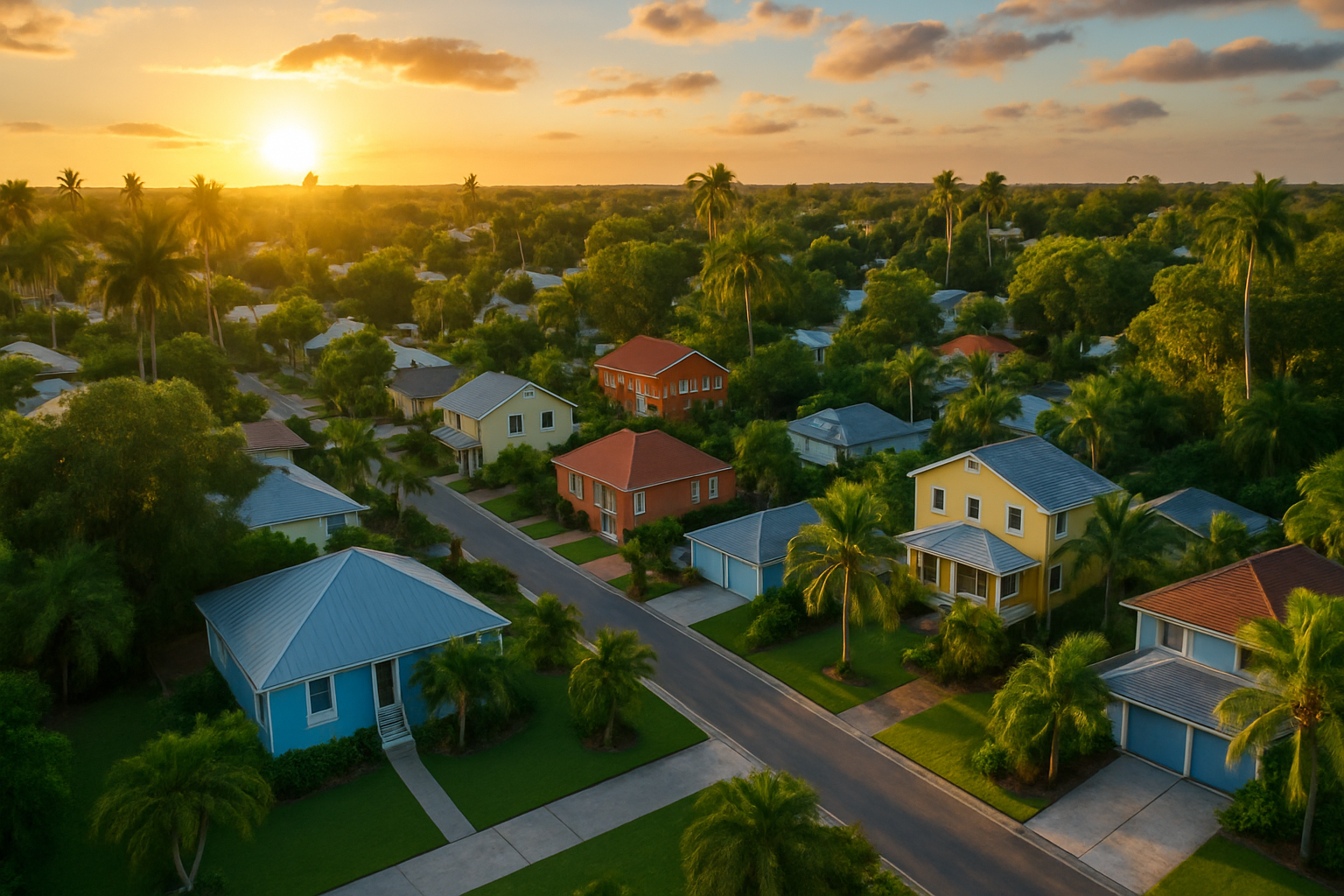
As we move through 2026, the dynamics of Florida's housing market continue to evolve, influenced by a variety of factors including inventory levels, mortgage rates, and broader economic conditions. Understanding these trends is crucial for anyone looking to buy or sell a home in the Sunshine State.
The State of Inventory in Florida
Inventory levels in Florida have been a topic of much discussion this year. While the beginning of 2026 saw constrained supply, there has been a gradual increase in available homes for sale. This shift is partly attributed to more homeowners deciding to list their properties amidst improving economic conditions. However, some areas still experience tight inventory, creating a competitive environment for buyers.
Regional Variations
Notably, inventory levels can vary significantly across different regions in Florida. Coastal cities may witness a slower growth in inventory due to persistent demand, whereas inland areas might see a more balanced market.
How Mortgage Rates Are Shaping the Market
The trajectory of mortgage rates in 2026 has been another critical factor influencing the housing market. While rates have seen fluctuations, the general trend has been an upward climb, making borrowing more expensive for potential buyers. This has spurred some buyers to act quickly to lock in rates before further increases.
Refinancing Trends
Interestingly, despite higher purchase rates, refinance rates have remained slightly lower, prompting some existing homeowners to consider refinancing to take advantage of more favorable terms. This trend has contributed to a dynamic mortgage landscape in Florida.
The Economic Impact on Housing
Florida's economy plays a pivotal role in shaping its housing market. With a robust job market and continued population growth, driven in part by migration from other states, demand for housing remains strong. This demand supports home prices, making Florida a resilient market even amidst national economic fluctuations.
Job Market and Housing Demand
A strong job market, particularly in sectors such as technology and healthcare, has been a significant driver of housing demand. As companies expand and relocate to Florida, the influx of new residents continues to stimulate the market.
Strategies for Buyers and Sellers
For buyers navigating this complex landscape, being prepared and flexible is key. Engaging with experienced real estate professionals can provide valuable insights and access to off-market opportunities. For sellers, understanding local market conditions and pricing competitively can make the difference in attracting multiple offers.
- Consult with a real estate advisor to understand specific regional trends.
- Stay informed about mortgage rate movements and potential impacts on affordability.
- Consider economic indicators, such as employment rates, when planning to buy or sell.
Frequently Asked Questions
Is the Florida housing market expected to remain strong in 2026?
Yes, Florida's housing market is expected to remain strong due to continuing population growth and a robust economy, although regional variations may occur.
How do current mortgage rates compare to previous years?
Current mortgage rates in 2026 are higher than in recent years, which influences buyer affordability and financing decisions.
What should buyers consider when looking for homes in Florida?
Buyers should consider regional inventory levels, current mortgage rates, and local economic factors when searching for homes in Florida.
What factors are contributing to the inventory changes in Florida?
Inventory changes are influenced by economic conditions, seller motivations, and regional demand variations across Florida.
If you're looking to explore opportunities in Florida's dynamic market, consider browsing our listings or contacting one of our knowledgeable agents at MC Homes Realty Inc.